
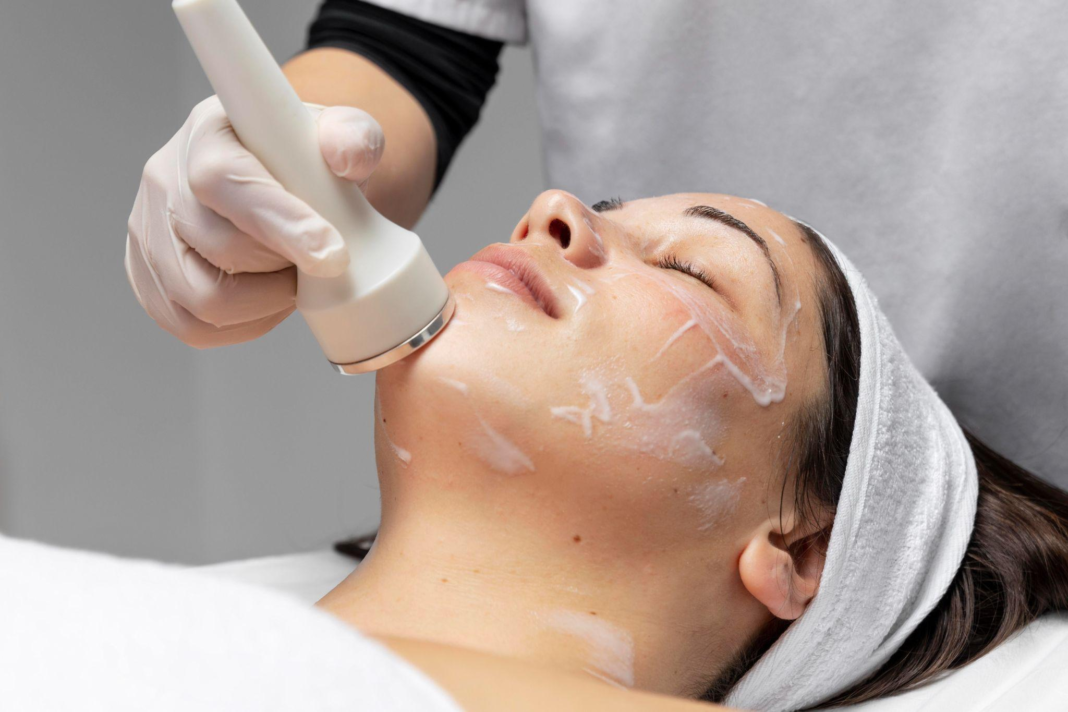

Key Points
- HIFU Ultraformer is often combined with other aesthetic procedures to address multiple skin concerns in one treatment plan.
- Combination approaches may target skin laxity, facial volume, pigmentation, texture, or hydration simultaneously.
- The timing between procedures depends on skin condition, treatment intensity, and recovery requirements.
- Not all procedures are suitable to perform on the same day as Ultraformer MPT sessions.
- Aesthetic practitioners usually assess skin thickness, age, sensitivity, and treatment goals before planning combination procedures.
Introduction
Combination aesthetic treatments have become more common as patients seek approaches that address multiple concerns at once. Instead of focusing only on skin tightening or lifting, many treatment plans now include procedures targeting texture irregularities, pigmentation, facial volume, or skin hydration. HIFU Ultraformer is one technology frequently included in these multi-procedure approaches because it targets deeper structural layers of the skin using focused ultrasound energy. That said, in many clinical settings, Ultraformer MPT may be paired with injectables, laser procedures, radiofrequency treatments, or skin-based therapies depending on the patient’s condition and goals.
Why Combination Treatments Are Common
Ageing affects the skin in several ways at the same time. Skin laxity, collagen loss, uneven pigmentation, fine lines, enlarged pores, and volume reduction may develop together rather than separately. Due to this, one procedure may not address every concern effectively. HIFU Ultraformer primarily focuses on tissue tightening and collagen stimulation at deeper skin levels, but it does not directly replace lost facial volume or treat surface pigmentation in the same way that fillers or pigment-focused lasers do.
Combination treatment plans are therefore designed to target different skin layers. A practitioner may recommend deep tissue tightening with Ultraformer MPT while also addressing superficial texture or hydration concerns using other procedures. The objective is usually to create a more balanced outcome across different facial structures and skin conditions.
Combining HIFU With Injectables
One common pairing involves combining HIFU Ultraformer with injectables such as dermal fillers or botulinum toxin treatments. These procedures target different concerns and anatomical levels. Focused ultrasound treatments are generally used for lifting and tightening, while fillers are commonly used to restore volume in areas such as the cheeks, temples, or nasolabial folds.
Timing plays an important role when combining these procedures. Practitioners, in some cases, may recommend performing Ultraformer MPT before filler placement because ultrasound energy can potentially affect recently injected filler material. Botulinum toxin treatments may also be scheduled separately depending on the treatment areas involved and the practitioner’s protocol.
This combination approach is often considered for patients experiencing both tissue laxity and facial hollowing. Treating only one issue may leave other visible signs of ageing unaddressed.
Pairing HIFU With Laser or Skin Treatments
Laser procedures are another category commonly combined with HIFU Ultraformer. While ultrasound technology targets deeper structural layers, many laser treatments focus on the skin surface. Pigmentation, acne scarring, redness, and uneven texture are examples of concerns often addressed with laser-based devices.
Some patients also combine Ultraformer MPT with chemical peels, microneedling, or skin booster treatments. These procedures may support improvements in skin texture or hydration while ultrasound-based treatment focuses on tightening. However, performing multiple energy-based procedures too closely together may increase skin sensitivity or prolong recovery time. Practitioners, therefore, usually space treatments appropriately based on skin tolerance and the intensity of each procedure.
Factors That Influence Treatment Planning
Not every patient is suitable for the same combination treatment plan. Factors such as skin sensitivity, age, existing medical conditions, prior procedures, and overall skin quality influence treatment selection. Individuals with thinner skin or active inflammation may require more conservative scheduling between procedures.
Practitioners also consider whether treatments produce overlapping effects or place excessive stress on the skin barrier. Recovery expectations, downtime tolerance, and maintenance frequency are additional considerations during planning. Due to this reason, combination approaches involving HIFU Ultraformer are typically customised rather than standardised.
Conclusion
HIFU Ultraformer can be combined with various aesthetic procedures depending on the patient’s skin concerns and treatment objectives. Procedures targeting facial volume, pigmentation, hydration, or texture are often incorporated alongside Ultraformer MPT to address different layers of the skin simultaneously. Proper scheduling and assessment remain important because combining treatments without considering skin condition or recovery timing may increase unwanted effects or reduce treatment efficiency.
Contact Veritas Medical Aesthetics to discover more treatment combinations involving Ultraformer MPT or HIFU Ultraformer.