
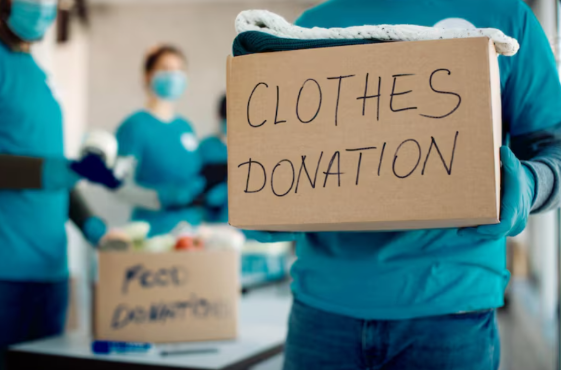

In communities around the world, many people struggle to meet basic needs, including having proper clothing. For individuals and families facing financial hardships, lack of suitable clothing can make daily life challenging and even affect their self-esteem. This is where clothing donations play a vital role. By giving gently used or new clothes to those in need, communities can help provide warmth, comfort, and dignity to people who might otherwise go without.
The Importance of Clothing Donations
Clothing donations serve as a lifeline for people who cannot afford to buy essential clothing items. Winter jackets, warm sweaters, and socks can make a significant difference during cold months, while summer attire can provide relief from heat and protect skin from the sun. Beyond protection from weather, clothing donations can also offer a sense of normalcy and safety to individuals experiencing homelessness or displacement. Knowing someone cares enough to provide clothing can offer emotional support as well as physical comfort.
Supporting Families and Children
Families with limited income often have to prioritize food and shelter over clothing. This can leave children without proper outfits for school or parents without appropriate work attire. Clothing donations can help fill this gap, ensuring that children have uniforms or warm coats and that parents have clothing suitable for job interviews or daily work. When families receive donated clothing, it reduces stress and allows them to focus on other essential needs. It also helps children feel included and confident, contributing to their overall well-being and development.
Promoting Dignity and Self-Esteem
One of the often overlooked benefits of clothing donations is the boost in dignity and self-esteem they provide. Wearing clean, well-fitting clothes allows individuals to feel respected and presentable, whether they are attending school, work, or community events. Feeling comfortable in one’s clothing can positively impact mental health, social interactions, and opportunities for employment. Clothing donations, therefore, are not just about physical warmth—they are about restoring confidence and pride in oneself.
Reducing Environmental Impact
Clothing donations also benefit the environment by reducing waste. Instead of old clothes ending up in landfills, they are given a second life and used by people who need them. This recycling approach supports sustainability while simultaneously helping communities. Many donation programs carefully sort items to ensure they are usable and appropriate, creating a system where resources are efficiently shared and reused.
How to Make a Meaningful Impact
Anyone can contribute through clothing donations, whether by donating items directly, organizing community drives, or supporting local charities. Choosing clothes that are clean, gently worn, and seasonally appropriate ensures that the donation has a real positive impact. Some programs also offer special collections for professional attire, children’s clothing, or outerwear, allowing donors to provide exactly what is most needed. Volunteering at donation centers or distributing clothing directly to shelters can further extend the benefit of these donations.
Conclusion
Clothing donations provide much more than fabric—they provide warmth, comfort, and dignity to those in need. By supporting individuals and families through donations, communities can help ensure that everyone has access to essential clothing, regardless of financial circumstances. This simple act of giving strengthens society, nurtures self-esteem, and promotes sustainability. Through clothing donations, people in need gain not only physical protection from the elements but also a renewed sense of pride and belonging.