
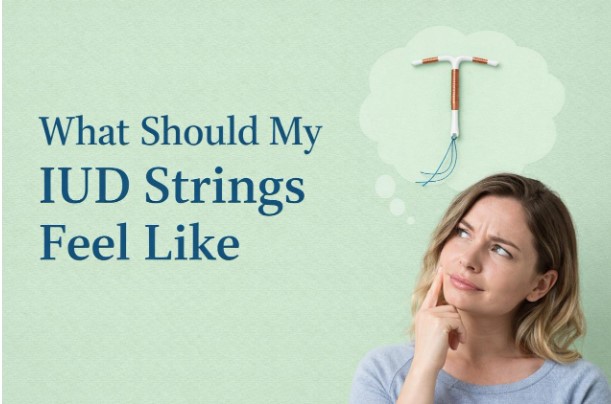

IUD strings are thin threads attached to the device that extend slightly into the vaginal canal. They help you (and your doctor) confirm that the IUD is still in place. Knowing what’s normal—and what’s not—can help you spot potential issues early.
What Are IUD Strings and Why Are They Important?
IUD strings are soft, thin threads attached to the end of the intrauterine device. After insertion, these strings pass through the cervix and rest slightly inside the vagina.
They serve two main purposes:
- Checking placement: You can feel the strings to ensure the IUD is still in position
- Easy removal: Doctors use the strings to remove the device safely
These strings are designed to stay out of the way, so most of the time you won’t notice them during daily activities.
What Should IUD Strings Feel Like?
This is the most important question.
Normally, IUD strings feel like:
- A thin fishing line or soft thread
- Slightly firm but flexible
- Smooth to the touch
- Not sharp or rigid
In many cases, the strings may feel slightly curled around the cervix, which is completely normal.
Key Characteristics of Normal IUD Strings
- Soft and bendable
- Consistent in length over time
- Not painful when touched
- Easy to feel once you locate your cervix
How to Check Your IUD Strings at Home
Checking your IUD strings is simple and safe when done correctly.
Step-by-Step Guide
- Wash your hands thoroughly to avoid infection
- Find a comfortable position (sitting, squatting, or standing with one leg raised)
- Gently insert one finger into your vagina
- Locate your cervix, which feels like the tip of your nose
- Feel for the thin strings coming out of the cervix
If you can feel the strings easily, your IUD is likely in place.
How Long Should IUD Strings Be?
IUD strings are usually trimmed by the doctor after insertion.
- Typical length: 2–4 cm
- They should stay inside the vagina, not outside
- They should not be too short or too long
Keep in mind that slight variation in length is normal and may depend on your body and how the strings settle over time.
Normal vs Abnormal IUD Strings
Understanding the difference between normal and abnormal can help you avoid unnecessary panic.
| Normal IUD Strings | Abnormal Signs |
|---|---|
| Same length consistently | Suddenly longer or shorter |
| Soft and flexible | Hard, stiff, or sharp |
| Easy to feel | Missing completely |
| No discomfort | Pain or irritation |
When to Worry About IUD Strings
You should pay attention if you notice:
- You can’t feel the strings at all
- The strings feel much longer or shorter than before
- The strings feel hard or sharp
- You experience pain or discomfort
- Your partner feels the strings during intercourse
These changes may indicate that the IUD has moved or is not positioned correctly.
What If You Can’t Feel Your IUD Strings?
This is one of the most common concerns—and it doesn’t always mean something is wrong.
Possible Reasons:
- The strings have curled up around the cervix
- They have moved slightly higher
- You may not be reaching the cervix properly
- The IUD may have shifted (less common)
- Rarely, the IUD may have been expelled
What You Should Do:
- Stay calm
- Try checking again after a few days
- Avoid digging or repeated attempts
- Use backup contraception if unsure
- Visit a doctor for confirmation
Check out our blog What should you do if the strings of an IUD are not felt?
Can IUD Strings Change Over Time?
Yes, minor changes are normal.
- The cervix moves during your menstrual cycle
- Strings may feel slightly longer or shorter at times
- Over time, strings may soften and curl
However, sudden or drastic changes are not normal and should be checked.
Can IUD Strings Be Too Long or Too Short?
If Strings Are Too Long
- They may be felt by your partner
- They may seem more noticeable
If Strings Are Too Short
- You may find it difficult to feel them
- They may have curled up or moved
Do IUD Strings Hurt You or Your Partner?
In most cases, IUD strings do not cause any pain.
- You typically won’t feel them during daily activities
- Some partners may notice them during intercourse initially
- Over time, strings soften and become less noticeable
When Should You Check Your IUD Strings?
It’s a good habit to check regularly.
Recommended times:
- Once a month
- After your period ends
- If you feel unusual symptoms
Regular checks help you stay aware of any changes.
When to See a Doctor
You should consult a doctor if you notice:
- Missing strings
- Sudden change in string length
- Severe abdominal or pelvic pain
- Heavy or irregular bleeding
- Signs of infection (fever, unusual discharge)
- Suspected pregnancy
FAQs
Should I feel my IUD strings every time I check?
Yes, ideally you should be able to feel them. However, occasional difficulty may happen due to positioning.
What if my IUD strings feel different?
Small changes are normal, but major differences should be checked.
Can I accidentally pull out my IUD?
No, unless you pull the strings forcefully, which you should never do.
Are curled IUD strings normal?
Yes, strings often curl around the cervix and may feel different over time.
Can IUD strings go back inside?
Yes, they can move slightly upward and become harder to feel.
Quick Safety Tips
- Never pull or tug on the strings
- Avoid frequent or aggressive checking
- Maintain hygiene while checking
- Schedule regular gynecologist visits
- Keep track of your IUD insertion date
Conclusion
Understanding what your IUD strings should feel like is an important part of maintaining your reproductive health. In most cases, the strings should feel soft, slightly firm, and consistent in length.
Regularly checking your IUD strings can help you ensure that your device is in place and functioning properly. While small variations are normal, sudden changes, missing strings, or discomfort should not be ignored.